
7 Mistakes to Avoid After a Car Accident in Oklahoma
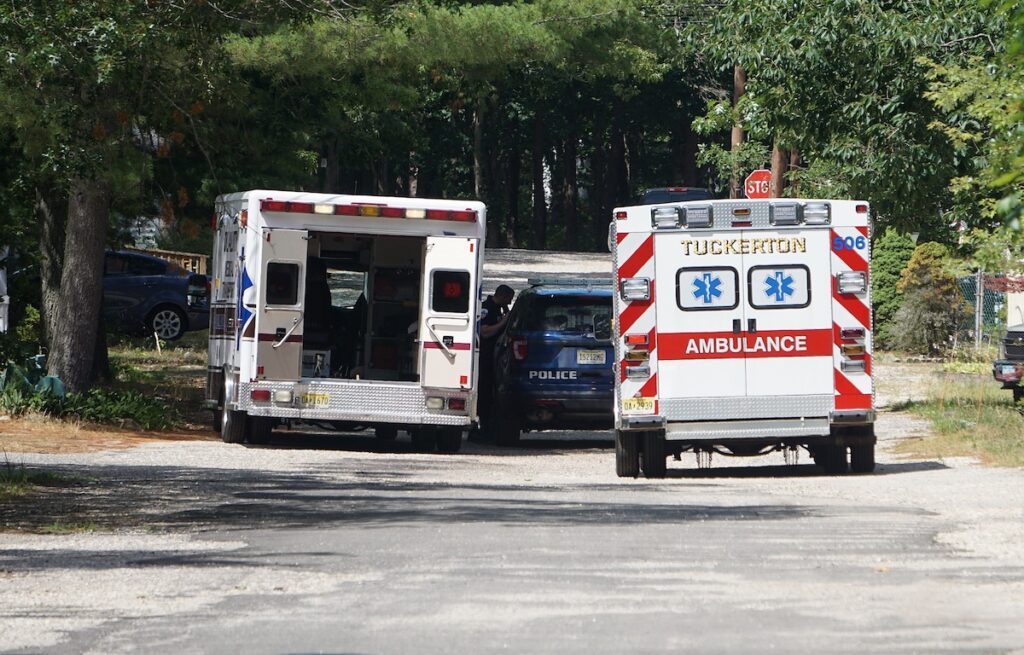
A car accident can turn an ordinary day into a stressful situation in seconds. Between checking for injuries, exchanging information, arranging vehicle repairs, and contacting insurance companies, it is easy to make decisions that create problems later.
If you have been involved in a car accident in Oklahoma, the steps you take afterward can affect your health, insurance claim, and ability to recover compensation. Even a minor collision can lead to unexpected medical expenses, lost wages, and other financial challenges.
Understanding what mistakes to avoid after a car accident can help you protect your rights and make informed decisions during an already difficult time.
1. Leaving the Scene Without Following Oklahoma Law
Leaving the scene before fulfilling your legal responsibilities can create serious problems after a car accident.
Oklahoma law generally requires drivers involved in qualifying accidents to stop, exchange required information, and provide reasonable assistance to anyone who is injured. Additional reporting requirements may apply depending on the circumstances.
Leaving the scene of an accident involving injuries or death can carry significant criminal consequences. If someone is injured, prioritize safety and contact emergency services when necessary.
A police report can also document the collision, identify the people involved, and preserve important observations about what happened.
What to do instead: Stop in a safe location, check for injuries, exchange required information, and contact law enforcement when appropriate or legally required. If your vehicle creates a traffic hazard, move it when doing so is safe.
Never put yourself in danger by standing in moving traffic or attempting to manage a hazardous situation without assistance.
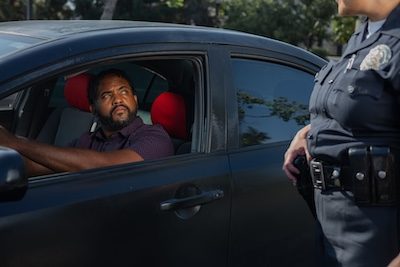
2. Admitting Fault Before Understanding What Happened
After a collision, you may instinctively apologize or say something like, “I’m sorry, I didn’t see you.” Although these comments may be intended as expressions of concern, they could be interpreted as statements about responsibility.
Determining fault is not always straightforward. Investigators and insurance companies may need to examine vehicle damage, witness statements, photographs, traffic laws, and other evidence.
Oklahoma follows a modified comparative negligence system for many personal injury claims. Generally, an injured person may recover damages reduced by their percentage of fault, provided their negligence is not greater than the negligence of the party against whom they seek recovery.
This means responsibility for a crash is not always an all-or-nothing question.
What to do instead: Remain respectful and provide truthful information, but avoid speculating about fault before the circumstances have been investigated. You do not need to argue with the other driver or prove your case at the scene.
If you have questions about liability, an Oklahoma car accident attorney can explain how the law may apply to your situation.
3. Failing to Seek Medical Attention
One consequential mistake after a car accident is assuming you are not injured because you feel fine immediately afterward.
Adrenaline can temporarily mask pain, and some injuries take hours or days to become noticeable. Whiplash, soft-tissue injuries, and certain head injuries may not produce immediate symptoms.
Watch for headaches, dizziness, neck pain, back pain, numbness, and increasing discomfort. Serious symptoms may require emergency medical attention.
Seeking medical care protects your health and creates documentation of your injuries. Delaying treatment can make it harder to connect your symptoms to the collision, potentially complicating an insurance claim.
What to do instead: Seek emergency care for serious or potentially life-threatening symptoms. Otherwise, arrange a timely medical evaluation and follow your healthcare provider’s recommendations.
Keep copies of medical records, bills, prescriptions, and treatment instructions. If additional symptoms develop, report them to your provider.
Your health should come before concerns about vehicle repairs or insurance paperwork.
4. Failing to Document the Accident Scene
Evidence can disappear quickly after a car accident. Vehicles are moved, debris is cleared, witnesses leave, and road conditions change.
Without documentation, it may be harder to establish what happened or challenge an inaccurate account of the collision.
If you can safely gather information, consider documenting:
- Photographs of vehicle damage from multiple angles
- The roadway, intersection, traffic signs, and signals
- The other driver’s contact and insurance information
- Names and contact information for witnesses
- The responding officer’s information and report number
- The time, location, weather, and circumstances of the crash
If you are seriously injured, prioritize medical care rather than collecting evidence yourself. Preserve available dashcam footage and photographs taken shortly after the collision.
What to do instead: Document the scene when safe, keep accident-related records together, and write down your recollection while the details are fresh. Preserve original photographs, videos, and other files without altering them.
These details may become important when determining liability or evaluating a personal injury claim.
5. Giving an Insurance Company a Recorded Statement Too Quickly
After a car accident in Oklahoma, an insurance adjuster may contact you for information about the collision. The adjuster could represent your own insurer or the other driver’s insurance company.
You may feel obligated to answer every question immediately. However, it is important to understand who you are speaking with and why the information is being requested.
Statements made shortly after an accident can be incomplete or inaccurate, especially when you are shaken up or do not yet understand the extent of your injuries. Your words may also influence how an insurer evaluates liability and damages.
You may have obligations under your own insurance policy to report the accident and cooperate with your insurer. Those obligations can differ from requests made by the other driver’s insurance company.
What to do instead: Report the accident as required by your policy and provide truthful information. Before agreeing to a detailed recorded statement, understand your obligations and consider speaking with an attorney if you suffered significant injuries or liability is disputed.
Never exaggerate your injuries or knowingly provide inaccurate information. Protecting your interests does not mean being dishonest.
6. Accepting a Settlement Before Understanding Your Damages
An insurance company may offer to settle your claim soon after an accident. If medical bills are arriving and your vehicle needs repairs, accepting a payment may seem like the easiest way forward.
However, settling too quickly can be costly if you have not determined the full extent of your injuries and financial losses.
Depending on the circumstances, recoverable damages may include medical expenses, lost income, future medical needs, pain and suffering, and other losses recognized by law. Vehicle damage is generally addressed separately from bodily injury damages, although the claims may be handled together.
Some injuries require ongoing treatment or develop complications later. If you sign a settlement agreement releasing the responsible party from further liability, you may be unable to seek additional compensation for the same claim.
Oklahoma’s deadlines for filing lawsuits also matter. Many personal injury claims are subject to a general two-year statute of limitations, although exceptions and different requirements can apply. Insurance negotiations do not necessarily extend the deadline.
What to do instead: Review settlement offers carefully. Gather documentation of medical treatment, lost wages, repair costs, and other losses. If you have significant injuries, consider consulting an attorney before signing a release.
You do not have to accept the first offer simply because it has been made.
7. Waiting Too Long to Get Legal Advice
Not every car accident requires an attorney. A minor collision involving no injuries and straightforward vehicle damage may be resolved through insurance.
However, legal guidance can be valuable when an accident causes serious injuries, fault is disputed, multiple parties are involved, or an insurer refuses to offer reasonable compensation.
An Oklahoma car accident lawyer can review the circumstances, evaluate available evidence, identify potentially responsible parties, and explain your options for pursuing compensation.
Timing matters. In many Oklahoma personal injury cases, the general statute of limitations is two years. Claims involving government entities may have additional procedures and shorter notice deadlines. Other exceptions may also apply.
Waiting too long can make it harder to locate witnesses, preserve evidence, and prepare a claim.
What to do instead: Consider speaking with an attorney early if you have questions about liability, serious injuries, insurance coverage, or compensation. An attorney can explain applicable deadlines and help you understand your options.
Getting legal advice does not automatically mean filing a lawsuit. It helps you make informed decisions about how to proceed.
Protect Your Rights After a Car Accident in Oklahoma
The hours and days following a car accident can be confusing, but avoiding these seven mistakes can help protect your health and your ability to pursue compensation when appropriate.
Follow Oklahoma’s requirements at the scene, avoid speculating about fault, seek medical attention, preserve evidence, be careful with insurance statements, evaluate settlement offers, and understand your legal deadlines.
If you were injured in a car accident in Oklahoma, Foundation Law Firm can help you understand your legal options. Contact our team to discuss your accident, learn about your rights, and determine the next steps for your situation.
This article is for general informational purposes only and does not constitute legal advice. Every case is different, and applicable laws and deadlines may vary. Consult an Oklahoma attorney regarding your individual circumstances.
Talk to a McAlester attorney about your case
This article is general information, not legal advice about your case. Keep the first conversation general until a conflict check is complete.